Key Takeaways
- Terpinolene is an aromatic compound found in cannabis as well as plants including nutmeg, tea tree, citrus and several conifers.
- Terpinolene-dominant cannabis appears to be relatively uncommon. Leafly estimates that roughly one in ten strains in its database are terpinolene-dominant, but that figure is a database estimate rather than a universal measurement of cannabis.
- Its aroma is usually described as a combination of citrus, wood, pine and floral or herbal notes rather than one easily identifiable scent.
- Terpinolene is often associated with Haze, Jack Herer and other strains traditionally sold as sativas, but terpene content varies by cultivar, grow and product.
- Terpinolene alone does not reliably tell you whether cannabis will feel energizing, creative or sedating. Human research into individual cannabis terpenes remains limited.
- The best way to find a genuinely terpinolene-rich product is to look at the terpene results for the specific batch rather than relying only on the strain name.
Terpinolene has an identity problem.
Spend enough time reading strain descriptions and you’ll see it described as the terpene behind energetic Haze strains, creative daytime flower and the classic “sativa” experience. There is some history behind that association. But it has gradually turned into a shortcut: terpinolene equals energy.
Cannabis chemistry isn’t that tidy.
The same terpene can appear alongside very different cannabinoid and terpene profiles, and two products carrying the same famous strain name may test quite differently. NugHub’s current menu provides a good example: one Jack Herer flower contains plenty of terpinolene, but another terpene actually leads the lab profile. Meanwhile, a Northern Lights vape currently listed as an indica has terpinolene as its highest reported terpene.
So what is terpinolene actually useful for understanding?
Mostly, start with the nose.
What Is Terpinolene?
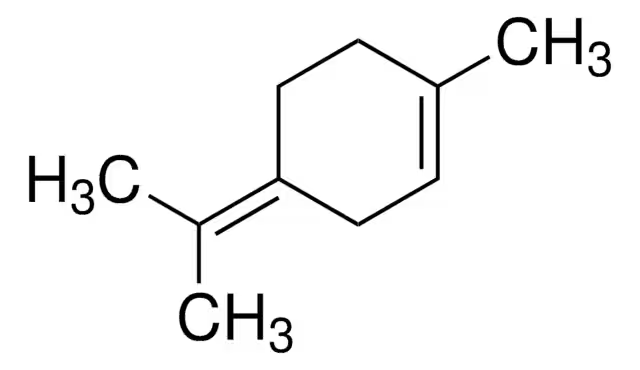
Terpinolene is a monoterpene, one of the aromatic compounds produced by cannabis and many other plants.
Outside cannabis, it has been identified in nutmeg, tea tree oil, citrus oils and various pine and other tree species.
In cannabis, terpinolene often appears as one part of a much larger chemical profile. Some cultivars contain only trace amounts. In others, it can become one of the dominant terpenes.
That second group is relatively unusual. Leafly describes terpinolene-dominant strains as difficult to find and estimates that around one in ten strains represented in its database are dominated by terpinolene. That makes the familiar “10 percent” statistic useful as a rough reference point, but not something we’d present as a measured percentage of every strain on the market.
It also explains why terpinolene can feel less familiar than limonene, myrcene or beta-caryophyllene when you’re reading New York dispensary labels.
What Does Terpinolene Smell Like?
This is where terpinolene gets interesting.
Limonene gives you an obvious citrus reference. Pinene practically names itself. Beta-caryophyllene has the cracked-pepper comparison.
Terpinolene is harder to reduce to one smell.
Descriptions usually overlap somewhere between:
- Pine or fresh wood
- Citrus
- Herbs
- Flowers
- Sweet or fruity notes
Leafly describes it as combining citrus, wood, floral and pine characteristics, which is probably more useful than trying to assign it one flavor.
In a complete cannabis profile, those notes can move in very different directions depending on what sits beside them. Terpinolene with pinene and ocimene won’t necessarily smell like terpinolene alongside limonene and caryophyllene.
That’s why smelling the flower and checking the full terpene panel tells you more than seeing the word terpinolene by itself.
Does Terpinolene Make Cannabis Feel Energetic?
This is where cannabis marketing tends to get ahead of the evidence.
Terpinolene-rich cultivars are frequently described by consumers and strain databases as uplifting, creative or energetic. Many of the strains historically associated with terpinolene have also been sold as sativas.
That doesn’t establish terpinolene as the cause of those effects.
Human research showing that terpinolene itself produces a predictable energetic or creative cannabis experience is lacking. Reviews of the broader “entourage effect” literature have found that evidence for consistent, predictable interactions between terpenes and cannabinoids remains limited, particularly in humans.
There is even an interesting contradiction in the preclinical research: a study of inhaled terpinolene in mice found a sedative, rather than stimulating, effect. That doesn’t mean smoking terpinolene-rich cannabis will make a person sleepy — a mouse study of isolated terpinolene is very different from using THC-containing flower — but it does show why describing terpinolene itself as an “energizing terpene” goes too far.
A systematic review of terpinolene research reached a similarly cautious conclusion. The compound shows biological activity in laboratory and animal research, but its mechanisms, safety and potential therapeutic applications remain poorly characterized in clinical research.
So if you’re choosing cannabis by effect, don’t treat one terpene like a switch.
Look at the complete product.
What NugHub’s Current Menu Tells Us About Terpinolene
This is where looking at actual lab results becomes more useful than memorizing strain stereotypes.
Jack Herer: High in Terpinolene, but Not Necessarily Terpinolene-Dominant
Jack Herer is probably the strain most frequently associated with terpinolene.
The connection is real enough that Jack appears on many terpinolene strain lists. But even here, the specific batch matters.
NugHub’s current Platinum Reserve Jack Herer flower reports 1.85% total terpenes. The individual results list:
- Beta-caryophyllene: 0.68%
- Terpinolene: 0.45%
- Humulene: 0.30%
- Ocimene: 0.18%
- Beta-myrcene: 0.10%
So terpinolene is an important part of this particular Jack Herer profile, but it isn’t the dominant terpene. Beta-caryophyllene is.
That’s exactly why “Jack Herer is a terpinolene strain” should be treated as a starting point rather than a guarantee.
Northern Lights: The More Interesting Counterexample
Now flip the script.
Northern Lights is one of the last strain names most shoppers would associate with a supposedly energizing “sativa terpene.”
Yet the AiroX2 Northern Lights product currently listed on NugHub reports:
- Terpinolene: 1.55%
- Beta-caryophyllene: 0.72%
- Limonene: 0.62%
- Beta-myrcene: 0.31%
Terpinolene is the leading reported terpene, while the product itself is categorized as an indica and carries relaxed and sleepy effect tags.
That doesn’t prove terpinolene is sedating either.
It proves something more useful: a dominant terpene isn’t a reliable substitute for the complete chemical profile or someone’s individual response.
Why Strain Names Aren’t Enough
Cannabis strain names are useful shorthand. They’re not laboratory specifications.
Jack Herer grown by one cultivator can have a different terpene balance from Jack Herer grown somewhere else. Harvest timing, genetics, phenotype, environment, curing and processing can all affect the final chemical profile.
Vapes make the comparison even more complicated because extraction and formulation influence what ends up in the finished product.
That’s why the best question isn’t:
“Which strains contain terpinolene?”
It’s:
“Which products on the menu are testing high in terpinolene right now?”
That distinction matters whenever you’re shopping by terpene instead of simply choosing a familiar strain name.
How to Shop for Terpinolene at NugHub
Start with the terpene panel when it’s available.
If terpinolene is what you’re interested in, look at the individual percentages rather than relying on an indica/sativa label or assuming that every Haze or Jack Herer product will have the same chemistry.
You can also compare the rest of the profile. A product with terpinolene, limonene and pinene looks chemically different from one combining terpinolene with a large amount of caryophyllene or myrcene.
Then consider THC and the format. Flower, live resin, rosin and formulated vapes aren’t interchangeable products simply because they share one terpene.
Most importantly, pay attention to your own response.
Cannabis effects depend on more than a terpene label. THC dose, other cannabinoids, the complete aromatic profile, tolerance, previous cannabis use and individual biology can all matter. Controlled human research has consistently shown dose and cannabis composition to be important variables in the acute experience.
If you want to see what’s available now, browse the NugHub Flower menu and check the lab information on individual listings.
Frequently Asked Questions
Is terpinolene rare in cannabis?
Terpinolene itself isn’t unique to rare cannabis strains, and many products contain small amounts of it. What appears to be less common is terpinolene dominance. Leafly estimates that about one in ten strains in its database are terpinolene-dominant, though that shouldn’t be interpreted as a scientific estimate of the entire cannabis market.
What does terpinolene smell like?
Expect a layered aroma rather than one obvious note. Pine, wood, citrus, herbs and floral sweetness are common descriptors. The surrounding terpenes can make one terpinolene-containing product smell quite different from another.
Is Jack Herer high in terpinolene?
It can be. The Jack Herer flower currently listed at NugHub contains 0.45% terpinolene, making it one of the larger components of the profile. But beta-caryophyllene is higher at 0.68%, so this particular product isn’t technically terpinolene-dominant.
Are Haze strains always terpinolene-dominant?
No. Haze-associated genetics are frequently mentioned in discussions of terpinolene, but the strain name alone doesn’t tell you the dominant terpene in a particular batch. Check the product’s actual terpene results.
Does terpinolene make you energetic?
Some terpinolene-rich strains are commonly reported as uplifting or energetic, but there isn’t good human evidence showing that terpinolene itself reliably causes that effect. Research into the contribution of individual terpenes to the cannabis experience remains limited.
Does terpinolene have therapeutic benefits?
Laboratory and animal studies have investigated several biological properties of terpinolene, including antioxidant activity, but clinical evidence is limited. A systematic review concluded that its mechanisms, efficacy and safety require substantially more study before therapeutic claims can be made.
What’s the best way to find terpinolene-rich cannabis at NugHub?
Check the individual terpene results on current products or ask a budtender which batches are testing high in terpinolene. Inventory and lab profiles change, so current product data is more useful than relying on a fixed list of strain names.
Terpinolene Is a Clue, Not a Prediction
Terpinolene deserves more attention, just not for the reason cannabis marketing usually gives it.
Its unusual mix of pine, citrus, wood and floral notes makes it one of the more distinctive parts of a cannabis aroma profile. It also shows up prominently in some classic cultivars.
What it doesn’t give you is a guaranteed outcome.
A terpinolene-heavy product isn’t automatically a daytime strain. Jack Herer isn’t automatically terpinolene-dominant. And seeing “Sour Diesel” or “Haze” on the label isn’t a substitute for looking at the actual batch.
Treat the terpene panel as another piece of information about the flower, not a personality test for your high.
Find What’s on the NugHub Menu Now
NugHub’s live menu includes individual terpene information for many products, making it easier to compare what’s actually in the batch instead of shopping from strain reputation alone.
Browse the Flower menu or stop by NugHub at 1350 Forest Avenue on Staten Island and ask which current products are testing highest in terpinolene.
NugHub currently lists delivery service across Staten Island, Brooklyn, Queens, Manhattan and Nassau County.
See More From NugHub
Continue with the myrcene terpene guide to compare terpinolene with another major cannabis terpene.